
Introduction
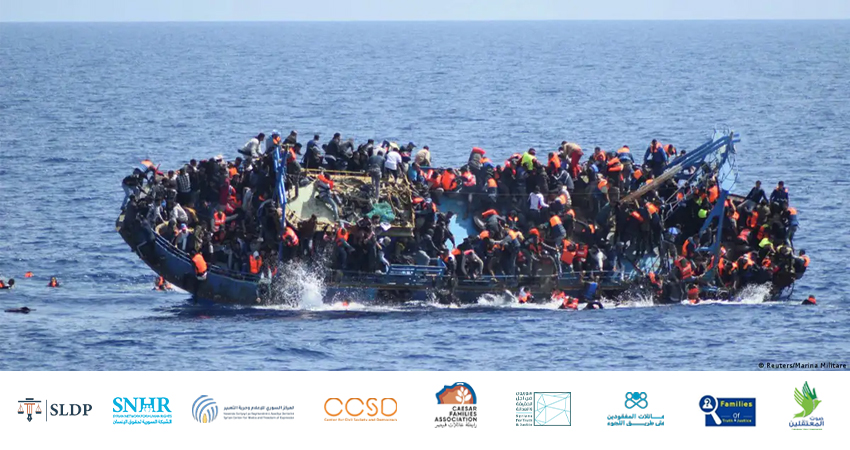
The crisis of missing migrants represents one of the most urgent humanitarian tragedies of our time. Thousands of people have gone missing while attempting to reach safety through migration routes, particularly those fleeing armed conflicts, persecution, poverty, and environmental disasters. According to estimates by the International Organization for Migration, more than 50,000 people have gone missing along migration routes worldwide since 2014, including over 28,000 in the Mediterranean Sea alone. These figures do not merely represent numbers; they reflect shattered lives and families condemned to a state of perpetual uncertainty. Despite the magnitude of this tragedy, the fate of the majority of missing migrants remains unknown, and their families continue to wait—often for years—for any news or evidence that might dispel the darkness of the unknown and put an end to the torment of waiting.
The Mediterranean Sea is considered the most dangerous migration route in the world. Since 2014, it has witnessed the deaths and disappearances of tens of thousands of migrants and asylum seekers, turning it into a vast, open grave. For families, the tragedy does not end with the sinking of a boat or the loss of contact; rather, a prolonged and painful suffering begins, marked by the absence of information, the lack of official recognition, and the failure of states to assume responsibility. Mothers, fathers, spouses, and children remain suspended between hope and despair, unable to mourn, unable to move on, and unable to access their most basic rights, while they await a piece of news or proof that might illuminate the fate of their loved ones and bring closure to an unending ordeal.