Bahaa Haidar Story: “One day, everyone will know me… and they will remember.”
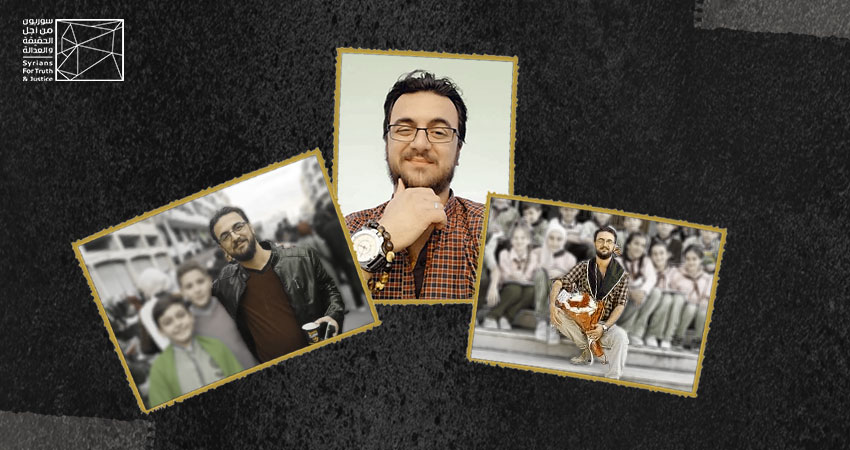
Bahaa Haidar was never just a name among the victims, nor simply a number added to the long, heartbreaking lists of Syrians lost. He was a person with a deep presence; woven into the everyday lives of those who knew him and imprinted on the memories of his students, friends, and family. Today, when we talk about him, we are not just sharing a story of painful loss; we are honoring the journey of a man who dedicated his life to making the world around him a little warmer and much more human.
His wife describes him simply as a “genuine person.” He truly loved people, felt their pain, and stood by them without hesitation. Bahaa did not wait for anyone to ask for help; he could see the need and would step in immediately. He gave generously, with a kind heart and without ever expecting anything in return. Wherever he went, he left a good impression, and everyone who knew him loved him. Today, people remember him as someone who was always there, always ready to offer support, whether it was a kind word or a helping hand.
Inside his home, he was a caring husband who filled every corner with love and warmth. His wife calls him the “ideal partner.” Even during disagreements or tough conversations, he remained calm and loving, carefully making sure small misunderstandings never grew into deep wounds. She said that this rare ability to handle conflict with grace and devotion is something you do not often see in others.
Just as he was a devoted husband, Bahaa was a father full of tenderness to his daughter, Ninar. It was he who chose her name, meaning “The Goddess of Love and the Spring”, a choice that was very deliberate. It reflected his deepest desire for his daughter to grow up surrounded by love and abundance. To Bahaa and his wife, Ninar was the cherished fruit of their own love story, and they were committed to raising her in an environment filled with affection and care. The result was a child whole in body and spirit, who knows how to love others from the bottom of her heart. Today, at five years old, Ninar is described by everyone around her as a loving and generous soul. She possesses a wisdom and maturity far beyond her years, carrying within her character so much of what her father tenderly planted.
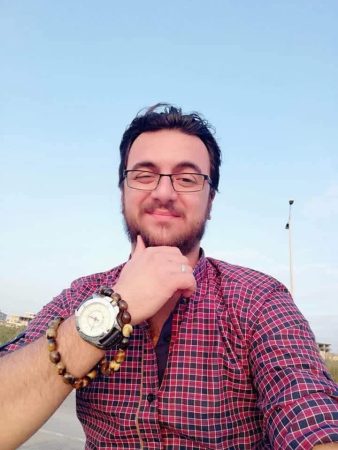
In his professional life, Bahaa was a highly successful and dedicated teacher. He often worked late into the night, carefully and creatively preparing lessons, developing questions and organizing explanations, before sharing them on Facebook and Telegram so that as many students as possible could benefit. For him, teaching was never just a job; it was a true calling. He believed that knowledge should be accessible to everyone, and he was always willing to go the extra mile for his students, even beyond the classroom. One day, overwhelmed by the extent of his efforts, his wife asked him, “My God, why all this effort? Every single day you are writing, preparing, and posting everything online.” He answered her with a calm, simple smile, “One day, everyone will know me… and they will remember.”
Bahaa died on Saturday morning, March 8th, after armed men stormed his family home and convinced him and his father to go up to the rooftop under the pretext of “We are here to protect you.” But as soon as they went out, they opened fire on them.
His wife says:
“The armed men knocked on my husband’s family home door. His elderly father, 75 years old, opened it. They told him: ‘We want the key to the rooftop door to check that there are no snipers.’ He replied that the key was with the building’s residents and that there were no snipers. The armed men said: ‘We are here to protect you. At that point, my husband Bahaa came out of the room and told them about his identity as a teacher at Iyad Kando School. They then asked him and his father to go up to the roof. Exactly two minutes later, I heard the sound of gunshots, and through the door’s peephole I saw the armed men running down the building’s staircase. I opened the door and rushed up to the roof, and there I found Bahaa and his father — shot dead. The bodies were facing the wall, the bullets had entered from the back and exited through the chest.”
[This story is based on the testimony of Bahaa Haidar’s wife.]